
Shotgun Ammo Explained: The Ultimate Shooter’s Guide to Power, Range, and Lethality
Shotgun ammo is the ultimate equalizer, delivering raw, devastating power with every single trigger pull. Unlike a rifle’s single projectile, a shotshell unleashes a dense cloud of pellets that radically increases your odds of hitting a moving target, whether it’s a flushing bird or a charging threat. That payload spreads predictably with distance, letting you choose the exact choke and shot size to match your purpose, from fine birdshot to bone-crushing slugs. Load a shell, pump the action, and you hold instant, versatile stopping force in your hands.
Choosing the Right Load for Your Shotgun
Choosing the right load for your shotgun hinges on matching the shot size, weight, and velocity to the specific task, whether that’s breaking clay targets or harvesting game. For upland birds, lighter loads with smaller shot like #7.5 or #8 preserve meat and pattern tightly at shorter ranges, while waterfowl demands heavier, larger steel shot such as #3 or #2 to penetrate at distance. Heavier payloads (1¼ ounces) increase recoil and may slow your swing, so select the 6.8 SPC Ammo for Sale lightest load that reliably cycles your action and delivers a dense, even pattern. Always pattern your shotgun with the exact ammo you intend to use, because barrel choke and barrel length significantly alter where the shot lands. Buckshot and slugs require completely different considerations, as buckshot needs a cylinder or improved cylinder choke for tight groups, while slugs prefer a rifled barrel or smoothbore with a cylinder choke. Your shotgun’s action type—pump, semi-auto, or break-open—will also dictate the minimum pressure needed for reliable ejection or cycling. Finally, verify that the shell length (2¾, 3, or 3½ inches) matches your chamber, as a misfit can cause dangerous pressure spikes.
Understanding Gauge, Shell Length, and Chamber Compatibility
To select the correct ammunition, you must first match the gauge and shell length to your shotgun’s chamber. The gauge (12, 20, .410) is fixed by the barrel, but shell length is not—chambers are cut to accept specific hulls, such as 2¾, 3, or 3½ inches. Firing a longer shell than the chamber allows can spike pressure dangerously. Conversely, shorter shells work fine but reduce payload and velocity. Follow this sequence: identify the gauge stamped on the barrel, read the chamber length marked nearby, and then choose shells that meet or are shorter than that figure—never longer. For maximum performance in a 3-inch chamber, you can shoot 2¾-inch shells safely, but you sacrifice shot capacity compared to a 3-inch load.
Birds hot vs. Field Loads: What’s the Practical Difference?
When choosing shotgun ammo, the practical difference between birdshot vs. field loads comes down to distance and target hardness. Birdshot uses smaller pellets (typically #6–#9) moving at moderate speed, ideal for close-range clay busting or small upland game where a dense pattern matters more than punch. Field loads step up to larger shot (like #4–#6) with a slightly hotter powder charge, giving you flatter trajectories and more retained energy for mid-range pheasants or rabbits. You’ll feel field loads kick harder, but they break birds cleanly past 30 yards where birdshot patterns thin out. For skeet or doves inside 25 yards, stick with birdshot; for mixed terrain, field loads handle it all without over-penetrating.
Buckshot vs. Birdshot vs. Slugs: Which Projectile Does What?
Shotgun ammo breaks down into three core projectile types, each with a distinct job. Birdshot uses tiny pellets that pattern tightly at close range, making it ideal for fast-moving birds and clay targets, but it lacks penetration for larger game. Buckshot consists of larger, heavier pellets—typically 00 or #4—designed to deliver deep tissue damage on deer or as a defensive load, though its spread demands careful aiming beyond 25 yards. Slugs are a single, solid projectile that offers rifle-like accuracy and raw stopping power, perfect for .32 ACP Ammo for Sale hunting big game in dense cover or where a slug’s predictable trajectory beats a pellet pattern. Choosing between them means matching pellet size, mass, and intended range to the task. For self-defense, buckshot is the compromise; for precision at distance, a slug wins; for winged pests, birdshot is the only sensible pick.
When to Use Birdshot for Small Game and Clay Targets
Choose **birdshot for small game and clay targets** when your priority is a dense, fast-spreading pattern that delivers quick kills on lightweight quarry like pheasants, quail, or rabbits without excessive meat damage. For clay targets, birdshot’s smaller pellets (sizes 7.5–9) create enough energy to break brittle targets at 20–40 yards while minimizing ricochet risk on hard surfaces. Match shot size to game: larger pellet sizes (4–6) for tougher birds like pheasants, smaller (7.5–8) for doves or skeet. In .32 Win Special Ammo for Sale both cases, birdshot shines at ranges under 40 yards—beyond that, pellet energy drops too fast for ethical or effective breaks. When to use birdshot for small game and clay targets always depends on distance and target hardness, not just pellet count.
Q: Can birdshot work for clay targets at 50 yards?
A: No—beyond 40 yards, birdshot’s pattern thins and pellets lose velocity, leaving unbroken clays and possible wounding on small game. Stick to closer shots or switch to a heavier load.
Buckshot Patterns and Stopping Power for Defense and Big Game
For defense, buckshot patterns matter more than raw pellet count—at typical indoor ranges, a **full choke can keep shot too tight**, risking over-penetration, while an open cylinder spreads it into a reliable, fight-stopping pattern. Stopping power here hinges on multiple .33-inch pellets striking vital zones simultaneously, which is why 00 buck remains a top pick for close-quarters threats. For big game like deer or hogs, you need a denser pattern at 25–40 yards, so test your load with a modified choke to ensure adequate pellet density on the vitals. Remember, stopping power fades fast .338 Lapua Ammo for Sale if your pattern opens too wide—verify your gun’s sweet spot before relying on it.
For defense, tight-but-spread patterns with 00 buck maximize stopping power indoors; for big game, a modified choke and tested pellet .35 Remington Ammo for Sale density ensure ethical, effective kills at range.
Selecting Slug Types for Accuracy at Longer Ranges
When selecting slug types for accuracy at longer ranges, prioritize sabot slugs over rifled slug options. Sabot slugs, with their plastic sabots engaging a rifled barrel’s grooves, stabilize faster and retain velocity, delivering sub-2-inch groups at 100 yards. In contrast, foster-style rifled slugs are designed for smoothbores and become ballisticly unstable beyond 50 yards due to their hollow base. For precision past 75 yards, choose a cantilever-scope or iron-sight setup with a fully rifled barrel—never a smoothbore. Match slug weight to your barrel’s twist rate, using 1:35 twist for lighter sabots and 1:24 for heavier grains. Practice with ballistic-tip sabots, as hollow-point designs expand poorly at extended distances, reducing terminal accuracy.

Decoding the Numbers on the Box: Velocity, Payload, and Shot Size
The numbers on a shotgun shell box are your direct line to performance, so learning to read them is game-changing. Velocity, payload, and shot size dictate everything from recoil to pattern density. Velocity, listed in feet per second (fps), tells you how flat the shot travels; higher fps means a faster, harder-hitting load for longer ranges, but it also kicks more. Payload, measured in ounces, is the total weight of lead or steel you’re sending downrange—heavier payloads throw more pellets for denser patterns, perfect for fast-moving birds, while lighter loads reduce recoil for quick follow-ups. Shot size, identified by numbers (like #8 or #4), determines pellet diameter and count: smaller numbers (like #9) are tiny and numerous for close, soft targets, while larger numbers (like #2) offer penetration for heavier game. Mastering this trifecta lets you match your ammo precisely to your target, not just your shotgun.
How Muzzle Velocity Affects Recoil and Downrange Performance
Higher muzzle velocity in shotgun ammo directly increases felt recoil, as the equal-and-opposite reaction intensifies with faster payload acceleration. This trade-off, though, pays dividends downrange: a faster shot string delivers a flatter trajectory and retains more kinetic energy at extended ranges, tightening pattern strike density. Conversely, lower velocity reduces shoulder strain but demands more lead on moving targets and causes steeper drop past 40 yards. For practical use, muzzle velocity’s recoil penalty is the price for flatter terminal performance, so select loads by balancing your tolerance for kick against the distance you realistically shoot. A velocity bump of 100 fps can shift point of impact noticeably, so always pattern your chosen shell.
Muzzle velocity boosts downrange energy and trajectory but proportionally increases recoil, forcing shooters to match speed to their range needs and physical comfort.
Shot Size Chart: Matching Pellet Diameter to Your Target
The shot size chart for matching pellet diameter to your target hinges on balancing pellet count against downrange energy. Smaller numbers (like #9) mean smaller pellets, ideal for close-range birds or clay targets where dense pattern coverage matters. Larger numbers (like #4 or #00 buck) deliver heavier, fewer projectiles, suited for deer or defensive use where penetration is critical. For upland game, #7.5 or #6 works well, while waterfowl often requires #3 or #2 steel due to migratory bird regulations. Always consult the specific manufacturer’s chart, as steel and lead diameters differ at the same numeric designation. Choose the smallest pellet that reliably achieves a clean kill, preserving meat and reducing over-penetration risk.
Practical Tips for Buying and Storing Shells
When you’re buying shotgun shells, always match the **shot size** and **shell length** to your specific shotgun’s chamber—a 2¾-inch gun won’t safely cycle 3-inch magnums, so verify the stamped mark before purchase. I learned to buy in bulk only for your most-used gauge and load, because moisture finds every crack in a cheap cardboard box. For **storing shells**, keep them in a sealed ammo can with a desiccant pack, not in a basement or garage where temperature swings create condensation that swells paper hulls and corrodes brass. Never store shells in direct sunlight or on a concrete floor, as the cold wicks moisture upward—instead, elevate the can on a shelf. Rotate your stock: shoot the oldest first, and always inspect for dents or loose crimps before loading, since a dropped box can split a hull and cause feeding jams. Label your storage with the purchase date and lot number, so you trust every round you feed your shotgun.
Steel, Lead, or Tungsten: Picking the Right Pellet Material
When you’re grabbing shells, pellet material decides how they fly and what you can shoot. Lead is the budget-friendly classic, offering dense, hard-hitting patterns ideal for upland birds or targets, but it’s banned at many wetlands. Steel is the affordable, nontoxic alternative for waterfowl; it’s lighter, so you’ll need 6.5x57R Ammo for Sale bigger shot sizes and faster loads to keep energy downrange. Tungsten, on the other hand, is the premium pick—nearly as dense as lead, it delivers devastating knockdown power while staying legal everywhere, though your wallet will feel it. For **picking the right pellet material**, match the metal to your quarry and environment, not just the price tag.
- Use steel for ducks and geese over water; it patterns best at 1400+ fps.
- Choose lead for skeet, sporting clays, and most non-toxic-restricted upland hunts.
- Invest in 6.5×55 Swedish Ammo for Sale tungsten for big, tough birds like turkeys or pheasants when distance matters.
Proper Storage Conditions to Preserve Primer and Powder Life
Keep your shotgun shells out of direct sunlight and away from heat sources like radiators or car trunks in summer—heat accelerates powder degradation and weakens primers. Aim for a cool, stable environment between 50–70°F, because temperature swings cause condensation inside the hull, which can seep into the primer compound and powder granules. Humidity is the bigger enemy, so store boxes in a sealed ammo can with a desiccant pack, or add a moisture-absorbing rod inside your gun safe. Proper storage conditions to preserve primer and powder life mean checking shells every few months for rust spots or a musty smell, and rotating old stock to the front so nothing sits for years. For quick reference:
- Use airtight containers with silica gel to control moisture.
- Keep shells off concrete floors—use shelves or plastic bins.
- Store in a dark closet or basement where temperatures stay steady.
- Never freeze shells; cold hurts primer sensitivity.
Buying in Bulk: What to Look For to Save Money Without Sacrificing Quality
When buying shotgun ammo in bulk, prioritize consistent hull quality and crimp integrity over sheer volume. Inspect a few boxes from the case for dents, loose primers, or swollen bases, as these affect feeding and pressure. Compare cost per shell after shipping or tax, not just the case price, and confirm the lot number matches across all boxes to ensure uniform ballistics. For target loads, choose reputable brands with plastic hulls over bargain steel or paper cases that may swell in humid storage. Check the shot size and velocity remain identical to your pattern-tested rounds, since a substitution can 6.5x57mm Mauser Ammo for Sale alter point of impact despite the apparent savings.
| Checkpoint | Why It Matters |
|---|---|
| Lot number | Guarantees consistent powder and shot charge |
| Shell base condition | Prevents chamber jams and extraction failures |
| Cost per box after fees | Reveals true bulk discount value |
| Brand track record | Reduces risk of misfires or weak patterns |
Common Shooting Problems and How Your Ammunition Solves Them
Struggling with common shooting problems usually comes down to mismatched loads. That frustrating recoil spike or inconsistent pattern often disappears when you pick ammo tuned for your target and gauge. Light target loads reduce felt kick, letting you stay on the bead for smoother follow-ups on clays, while high-velocity magnums tighten patterns for longer waterfowl shots. Felt recoil, flinching, and poor pattern density are directly solved https://specialtysportsandsupplyltd.com/ by choosing the right shot size and powder charge. Even misfires or weak cycling in semi-autos can be fixed by switching to a hotter, more reliable load. Your ammunition solves these issues by matching pressure and payload to your specific shotgun action and shooting style, so you spend less time troubleshooting and more time hitting what you aim at.
Dealing with Misfires and Hangfires: What to Check First
When a shell goes *click* instead of *boom*, resist the urge to immediately open the action. First, keep the muzzle pointed downrange for a full 30 seconds—hangfires can delay ignition by a noticeable beat. Check the primer: a light, dimple strike usually means a weak hammer spring or a high primer in your shotgun ammo. If the primer looks deeply struck but fired nothing, inspect the firing pin for breakage or debris. For a misfire, eject the round and examine the base; wet oil or crud in the chamber often kills ignition. Always verify your shotgun’s firing mechanism with a snap cap before reloading. Never rush the process.
Check the primer strike, wait 30 seconds with the muzzle downrange, and inspect the round’s base for oil or debris before assuming a gun fault.

Pattern Flies Apart? Fixing Density with Buffer and Wad Selection
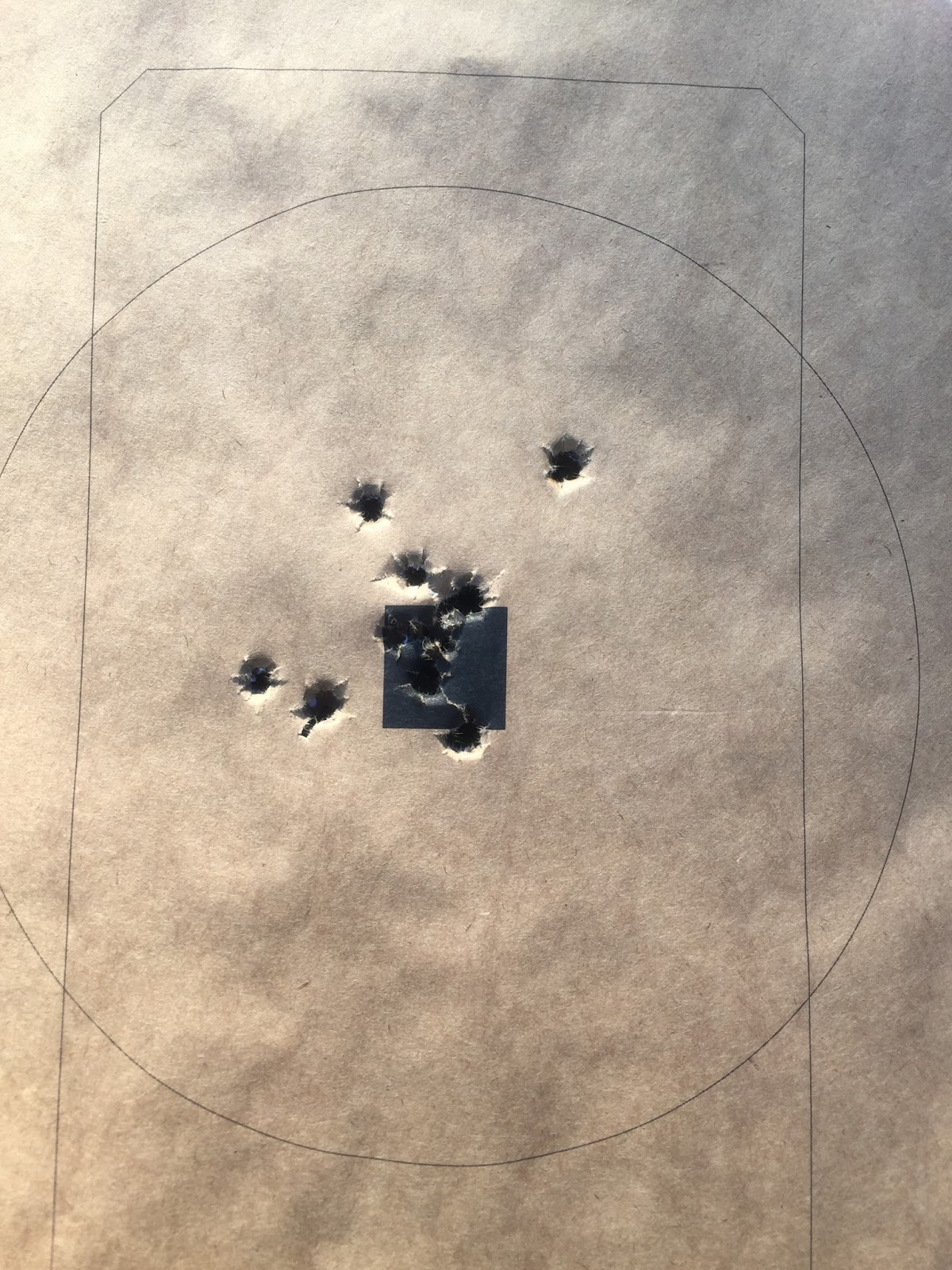
When your pattern flies apart at range, the culprit is often shot deformation and wad inconsistency, not your aim. A buffer material like granulated plastic or cork dust fills the voids between pellets, cushioning them during the acceleration phase and keeping the shot column dense longer. Pair that with a tighter, stiffer wad—like a shot cup with petals that peel back slowly—to reduce pellet-to-barrel friction and maintain a cohesive slug of lead. For soft lead shot, buffer is non-negotiable; for plated shot, skip it. *The sweet spot is testing buffer weight (5–10% of shot load) with a one-piece wad to match your choke’s constriction.*
**Q: Why does my pattern still have holes even with buffer and a good wad?**
A: You’re likely over-buffering—too much filler acts like a wedge, pushing pellets apart. Reduce buffer by half and check your wad’s base thickness; a thin, flimsy base Ammunition for Sale lets gas blow through the center, shredding density.
Reducing Felt Recoil with Low-Recoil or Reduced-Load Shells
For shooters experiencing flinching or fatigue, low-recoil shotgun shells directly address felt recoil by reducing propellant charge and often using lighter shot payloads. These loads lower the rearward force transmitted to your shoulder, allowing you to maintain proper mount and follow-through without anticipating the kick. Reduced-load shells typically drop velocity by 100–200 fps, which also eases muzzle rise. To benefit fully, follow this sequence:
- Select a reduced-load with a shot weight at least 15% lighter than your standard field load.
- Pattern your shotgun to confirm the lighter payload still delivers adequate density at your typical engagement distance.
- Practice with these shells exclusively during drills to build muscle memory without reinforcing a flinch.
This approach keeps your action cycling reliably while preserving accuracy for clay targets or light game.
Recent Comments